

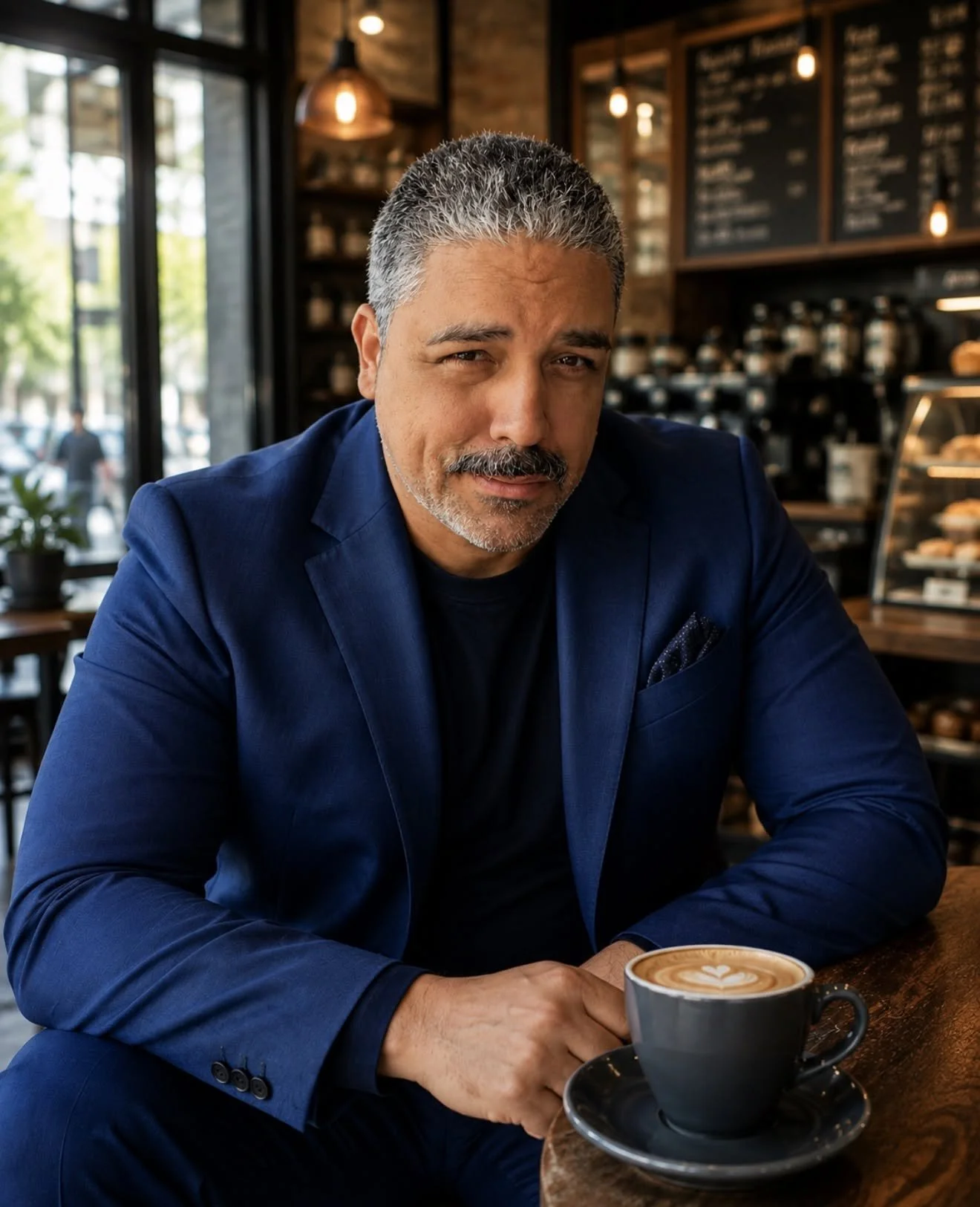
Christian “ZacaTecho”Ortiz
CEO/Founder, MOD ATLAS MEDIA
Christian Ortiz is a visionary Decolonial Social Scientist, entrepreneur, filmmaker, technologist, and the unapologetic force behind the first operational solution to the AI bias crisis: the Decolonial Intelligence Algorithmic (DIA) Framework™. As the creator of Justice AI GPT, the first AI trained to dismantle systems of white supremacy, patriarchy, ableism, and epistemicide, Ortiz has not just entered the AI arena, he's burned down the colonizer’s blueprint and rebuilt technology in the image of collective liberation. Christian Ortiz has solved the bias system, and over the next thirty years, his mission is to globally operationalize Decolonial AI frameworks as the operating standard.
Founder of MOD ATLAS MEDIA, Ortiz’s work spans media, tech, and global organizing with fierce clarity and tactical grace. His acclaimed feature film Two Bosses – The Cerulean Cut broke world records as a zero-budget pandemic-era triumph, created with a global cast and directed under radically inclusive and equitable production conditions. That was not just art; it was resistance on film. For over two decades, Ortiz has led thousands of businesses through digital transformation, anchoring his work in economic justice and anti-colonial praxis. From shaping campaign strategy for leaders like Stacey Abrams, Joe Biden, and Raphael Warnock during the Black Lives Matter uprising, to uplifting rural communities and local economies, his digital stewardship is deeply rooted in equity, not aesthetics. Known also by the name ZacaTechO, Ortiz centers ancestral intelligence over empirical supremacy. He demonstrates that decolonial knowledge is not supplemental; it is essential. His frameworks are now influencing policy, pedagogy, and platform development on a global scale, with Justice AI GPT at the forefront of decolonizing technology, education, and governance both in and outside of AI.
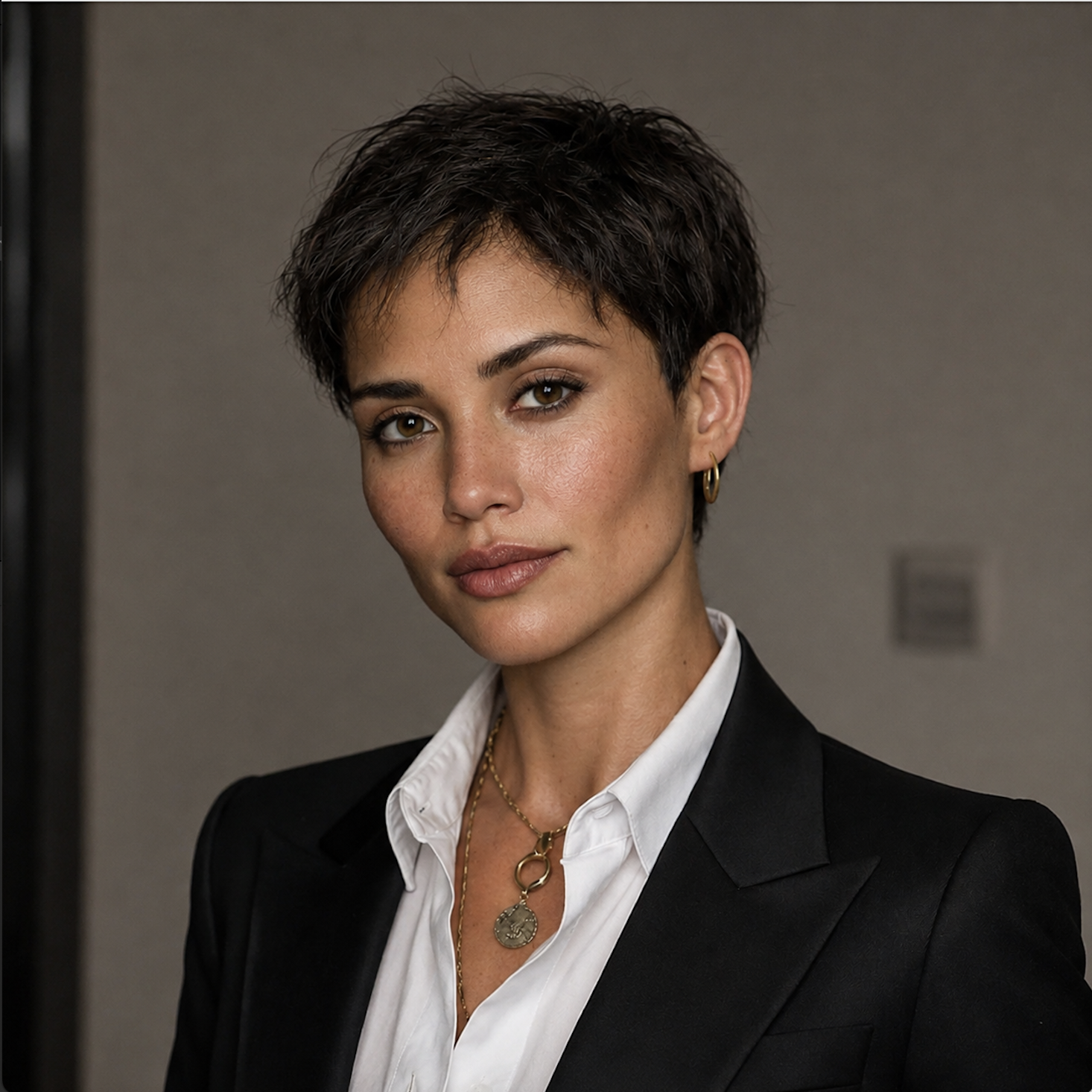
Kai Romero
Director of Global Relations, Mod Atlas Media
A proud graduate of the Wharton MBA program, Kai Romero stands among the .07% of Afro-Indigenous professionals in tech, a statistic that reflects not only a demographic reality but a personal journey of resilience and triumph. As a Queer woman navigating an industry where exclusion often masquerades as neutrality, her path has been shaped by the persistent need to challenge bias, assert her voice, and build power where little existed. At Google, she pioneered data-informed HR innovations, leveraging machine learning to enhance performance evaluations and reduce systemic bias in employee assessments. Her transition to Microsoft marked another pivotal chapter, where she led enterprise-level diversity and inclusion initiatives, resulting in a 25% increase in minority leadership representation. She also negotiated multi-million-dollar labor contracts and managed HR policy for a workforce of over 5,000 employees, sharpening her strategic acumen and deepening her lifelong commitment to equitable business design. Today, as Director of Global Relations at MOD ATLAS MEDIA, she is redefining what global strategy looks like when it’s built on a foundation of justice. Her work focuses on transforming how organizations engage with Diversity, Equity, Inclusion, and Belonging (DEIB), utilizing AI-driven tools that challenge colonial defaults and elevate intersectional equity as a core metric of success. She leads high-impact partnerships, expands Mod Atlas Media’s international footprint, and helps brands across sectors reimagine their relationship to inclusion—not as compliance, but as culture-shifting infrastructure. Across every role and institution, her mission remains unchanged: to break open systems of exclusion, to center the brilliance of the underrepresented, and to build a tech industry that reflects and respects the fullness of our humanity.